Rockpooling with Children: A Safe Beginner's Guide to UK Shores
Rockpooling is the best free day out on the British coast. You need a low tide, a pair of wellies and a child happy to crouch over a puddle for an hour and call it exploring.
The finds are genuinely exciting: a hermit crab swapping shells, a blenny glaring from behind a curtain of weed, a beadlet anemone opening like a small red flower. But rockpools sit at the edge of a working sea. The rocks are slick, the water is cold and the tide keeps its own schedule. Twenty minutes of planning separates a brilliant morning from a soggy, fretful one.
Time it with the tide, not with breakfast
Start with a tide table, before you think about anything else. Harbour offices, councils and tide apps all publish them, and the local shop often has one pinned to the wall. Aim for low water and arrive an hour or two before it, so you get shallow pools and the widest window to explore.
Spring tides — the ones around a new or full moon — pull the water back further than neap tides, exposing rock that stays submerged for most of the month. That is when the pools are at their best.
Check the wind too. An onshore breeze pushing waves onto a low ledge turns a gentle pool into a washing machine; save that day for the arcades.
And never assume the sea comes back politely. It creeps along gullies behind you, fills channels you crossed minutes earlier and cuts off headlands that looked perfectly safe. Keep glancing seawards, not just downwards.
Pick a beginner-friendly shore
You do not need a famous site. A sandy bay with rocks at one or both ends is ideal: soft ground for the walk, pools at the edges, and a clear line back to the promenade. Sheltered bays and estuaries are calmer than exposed headlands.
Leave these for another year: steep boulder fields, deep gullies, flat reefs stretching far out to sea, and anywhere with a cave or a big swell running. Ask locally where the pools are — whoever is selling ice cream usually knows better than any guidebook.
Do check the rules for your stretch of shore. Many sites are marine protected areas where nothing may be taken, and some reserves ask visitors to stay out of particular pools altogether.
The kit that actually earns its place
- Wellies with proper tread, or old trainers you do not mind soaking. Flip-flops on wet rock are an accident waiting to happen.
- Warm layers and a waterproof. Coastal wind cancels out sunshine.
- A clear plastic tub with a lid. Clear means children can watch without handling, and the lid stops the contents sloshing out.
- A soft paintbrush, a plastic spoon or a small fine-mesh net for nudging creatures gently into view.
- A magnifying glass, if you have one. A phone camera works too, kept well away from the water.
- Plasters, hand wipes, drinking water and a snack. Rockpooling is hungry work.
- A spare bag for wet clothes and a towel back at the car.
Leave glass, sharp tools and anything that hooks at home.
Staying upright on slippery rock
Green weed and dark, wet rock are the two surfaces that catch people out. Teach children to step on bare, dry-looking stone and to test every step before trusting it.
- One adult to one small child on the rocks, hands free, no bags swinging.
- Hold hands near the waterline and beside deep pools.
- Kneel to look rather than crouching on tiptoe at the edge.
- Walk around a boulder instead of jumping between them.
- Never let a child put a hand into water where the bottom is not visible.
- Keep well back from waves breaking on ledges, and never turn your back on the sea.
A whistle on a lanyard is a cheap addition to a child's coat and carries much further than a voice when the wind is up. Count heads every few minutes, especially once the tide turns.
Handling creatures without harming them
One rule covers almost everything: look, do not lift. A pool is a home, and everything in it is busy surviving.
If a child does want to hold something, use wet hands, keep the creature in water and return it within a few minutes. Crabs should be cupped from underneath, never picked up by a claw or a leg — a shore crab can deliver a nip that ends the trip. Limpets clamp onto rock with serious force and may not reseal if prised off, so leave them be. Anemones should be watched, not poked; they close when touched and spend energy reopening. Starfish and brittlestars stay underwater. Fish are best admired through a tub of seawater and left in the pool.
If you turn a rock over, put it back exactly as it was, dark side down. A great deal of rockpool life lives on the undersides of stones.
Stings, scratches and small dramas
Most UK rockpool wildlife is harmless, but jellyfish should be left alone even when stranded, and weever fish hide in wet sand — shuffle your feet when wading rather than stepping heavily. For a minor sting, rinse with seawater rather than fresh water, remove any tentacle with tweezers, and keep an eye on the person. If a sting causes swelling of the face or throat, difficulty breathing, or someone simply becomes unwell, get medical help urgently. For anything beyond a graze, or a cut that starts to look infected later, NHS 111 is a sensible first call.
What you might find, and what to leave behind
Shore crabs, hermit crabs, prawns, blennies, gobies, beadlet anemones, limpets, periwinkles, dog whelks, barnacles and the occasional brittlestar are all common in UK pools. Cuttlefish bones and mermaid's purses often wash up along the strandline, and some wildlife organisations run recording schemes if your child fancies being a citizen scientist for the day.
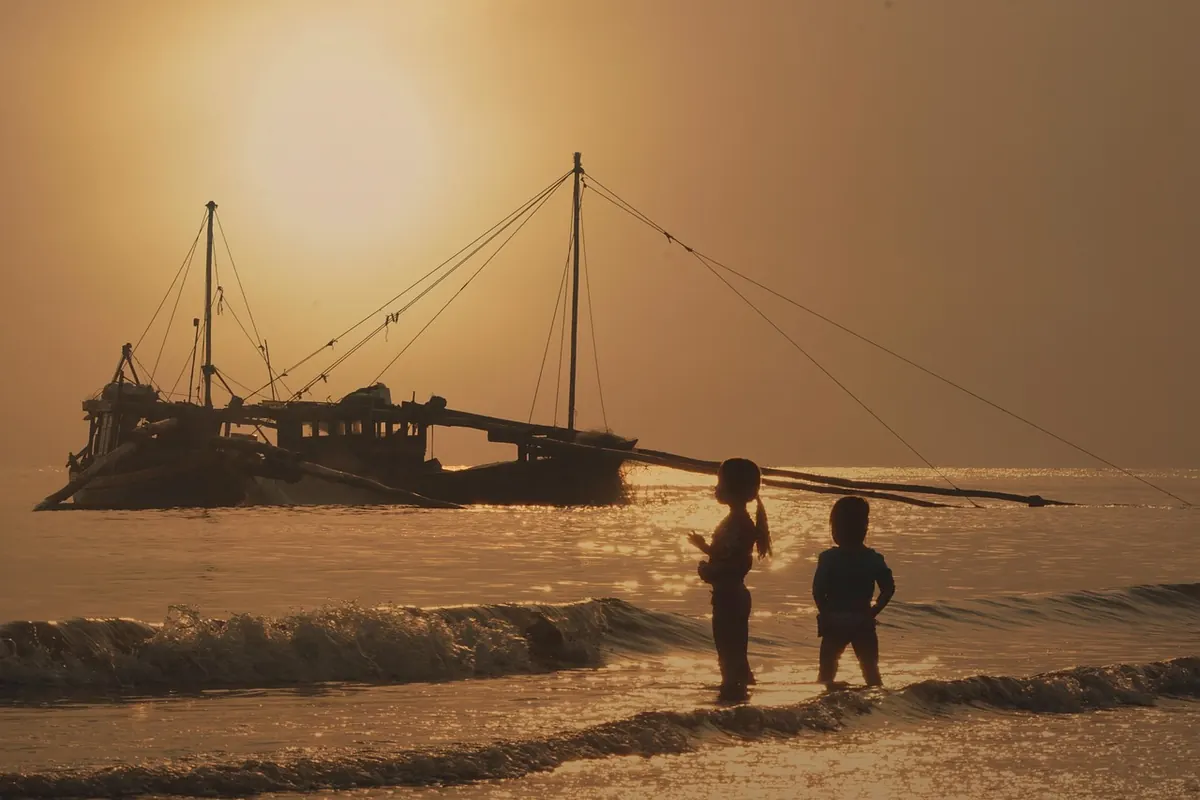
Photo: drphuc / Pixabay