Buying a Coastal Property: 7 Flood Risk and Erosion Questions to Ask

A house within earshot of the waves asks a lot of you. Salt works on metal, wind works on mortar, and the sea is never quite where it was last year. None of that means you should walk away. Plenty of coastal homes are bought, loved and sold on without trouble. It means the questions you ask before you commit matter more than they would ten miles inland.
Here are the ones worth asking early, while you can still walk away without losing more than a survey fee.
1. What do the flood maps say about this exact address?
Start with the official maps, then treat them as a starting point rather than a verdict. In England, the Environment Agency's Flood Map for Planning shows river and sea flood zones, and a separate map covers surface water flooding. Natural Resources Wales, SEPA in Scotland and NI Direct publish equivalents. Enter the postcode, then look at the plot itself. Is the house on the raised side of the road or the low one?
Being outside the high-risk zones is not the same as being dry. Surface water, blocked drains and a high water table cause plenty of the flooding that never appears on a river or sea map. Ask your conveyancer to order a flood risk search, and read the seller's Property Information Form closely; it asks directly about flooding and insurance claims. Follow up anything vague in writing.
Some councils publish reports after significant flooding events. They are dry reading, but they tell you how a street actually behaves in a storm.
2. Is the coast here holding, retreating, or allowed to retreat?
Shoreline Management Plans divide the coast into stretches and set a policy for each: hold the line, advance the line, managed realignment, or no active intervention. That policy decides whether a sea wall is repaired for the next fifty years or quietly stops being maintained. It is the single most useful document for a coastal purchase, and your local council's coastal team can confirm the policy for the frontage in front of a specific property. Ask for it in writing.
Erosion risk maps give long-range projections for England, and they are worth reading, but remember they show averages. One winter can move a cliff edge further than a decade of averages suggests. Walk the frontage and look for the clues: a footpath rerouted inland, exposed tree roots, fences sagging towards the sea, cracks in garden walls running parallel to the cliff, gates that no longer close.
3. Who owns and pays for the defences?
Sea walls, revetments, gabions and outfalls can be the responsibility of the Environment Agency, the local authority, a private landowner, or a management company funded by service charges. If it is the last of these, ask for the last condition survey, the reserve fund balance, the schedule of planned works, and what happens if the structure fails. Be wary of a low service charge on a front-line property. Coastal repairs are expensive and they arrive without warning.
4. Can you insure it, and at what cost?
Get a buildings insurance quote in your own name, for the actual property, before you exchange contracts. The Flood Re scheme helps insurers offer cover to many homes at high flood risk, though it broadly applies to homes built before 2009, so a recent coastal new-build may sit outside it. Excesses for flood, storm and subsidence can be substantial, and the current owner's claims history will follow the building.
A broker who handles coastal and flood-risk properties will be far more useful than a comparison site here. Take their advice before you fall in love with a kitchen.
5. What will a survey miss unless you brief the surveyor?
A mortgage valuation is not a survey; it protects the lender, not you. Commission an RICS Home Survey at Level 2 or, for older or unusual coastal buildings, Level 3, and tell the surveyor plainly that the property is on the coast so they look at the things salt and wind do to a building:
- Corrosion of wall ties, lintels, fixings and metal windows from salt-laden air
- Blown render and failed pointing, particularly on the windward elevation
- Damp and timber decay from wind-driven rain and poor drainage
- Ground movement on clay cliffs and soft coastal soils
- Evidence of historic flooding in sub-floor voids, and whether airbricks sit above the level a storm surge reaches
- The condition of any wall, outfall or drainage the property depends on
Ask specifically whether the surveyor would want a structural engineer or a drainage specialist involved. If the answer is yes, budget for it now rather than after you have the keys.
6. What is the property's history with water and weather?
Ask the seller, in writing, about flooding, insurance claims and repairs. Then ask what resilience measures have been fitted: non-return valves, sump pumps, raised sockets, tiled floors instead of carpet, removable door barriers. These are good signs, and they also tell you where water has been before.
Talk to neighbours, ideally in winter rather than on a bright June afternoon. Ask how often the road floods, whether the drains cope, and what the last big storm did. People who live there know things no search reveals.
7. What happens when you come to sell?
Flood risk and erosion data feed into lending decisions. A property that is hard to insure becomes hard to sell, and a short lease on a crumbling sea wall can quietly shrink your buyer pool. Ask yourself whether this is a five-year home or a thirty-year home, and whether the answer still works for you if the defence policy changes.
A short checklist before you commit
- Read the flood maps for the exact postcode, including surface water.
- Get the Shoreline Management Plan policy for the frontage in writing.
- Ask the seller about flooding, claims and repairs, and keep the answers.
- Obtain an insurance quote in your own name before exchange.
- Commission a survey with a clear coastal brief.
- Budget for maintenance, and find out who owns and funds the defences.
Coastal living rewards people who do their homework. The sea is a wonderful neighbour and an unreliable one, and knowing which it will be for a particular house is the whole point of asking. Flood risk, insurance and property law are specialist areas, so lean on your conveyancer, your surveyor and an insurance broker rather than on any single source, including this one.
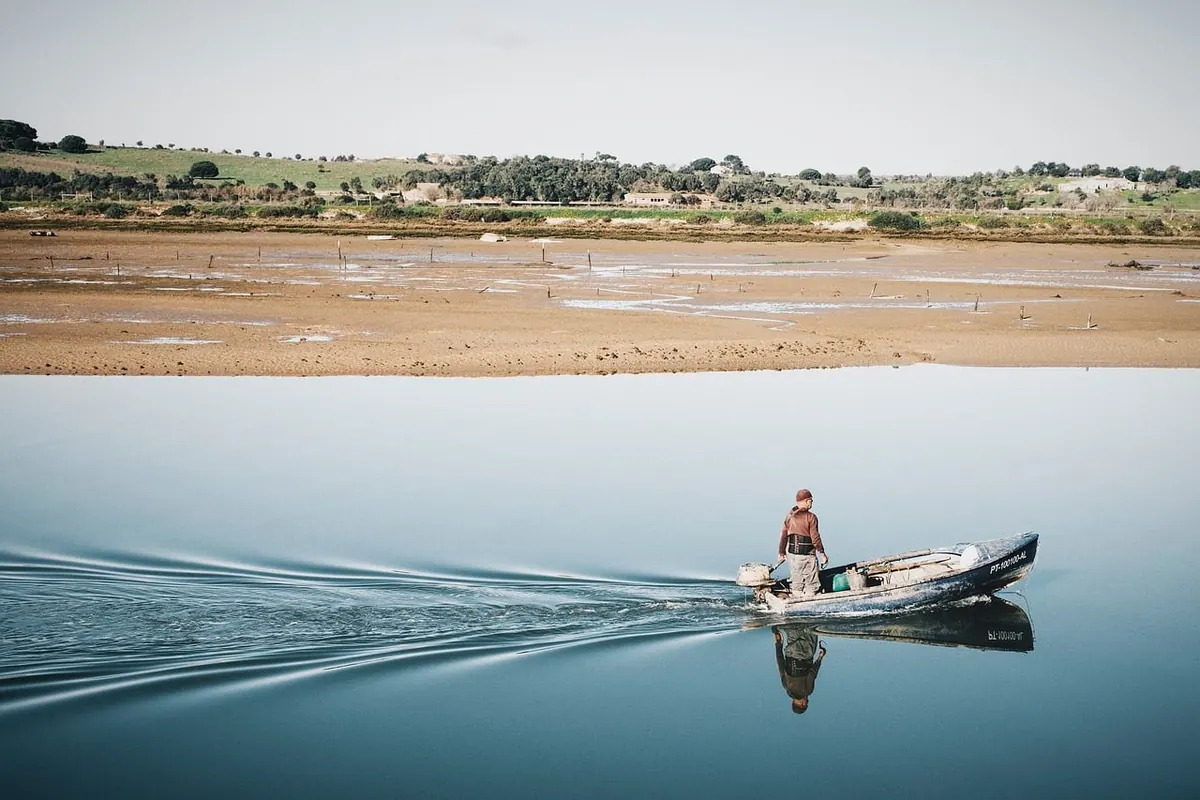
Photo: Bru-nO / Pixabay